Bass fishing on the fly has become one of the most exciting forms of saltwater fly fishing in the UK. Along the South West coastline, anglers have access to miles of productive shoreline, estuaries and rocky ground that regularly hold feeding bass throughout the season.
Having worked with Snowbee for almost 20 years and spent countless hours chasing bass on the fly around the South West, I've learned that success often comes down to understanding where bass are likely to be holding and adapting your approach to suit the conditions.
In this guide, I'll cover the types of water I look for when targeting bass on the fly, the tackle I rely on and the fly patterns that consistently produce results. These tips work for almost all types of coastline around the UK too.
Where to Find Bass on the Fly
One of the biggest mistakes newcomers make is assuming bass can be found everywhere. While bass are highly mobile predators, certain types of water consistently hold more fish than others.
Generally speaking, I focus on two key areas:
- Open coastline
- Estuaries
Both offer excellent bass fishing opportunities but often require slightly different tactics.
Bass Fishing on the South West Open Coast
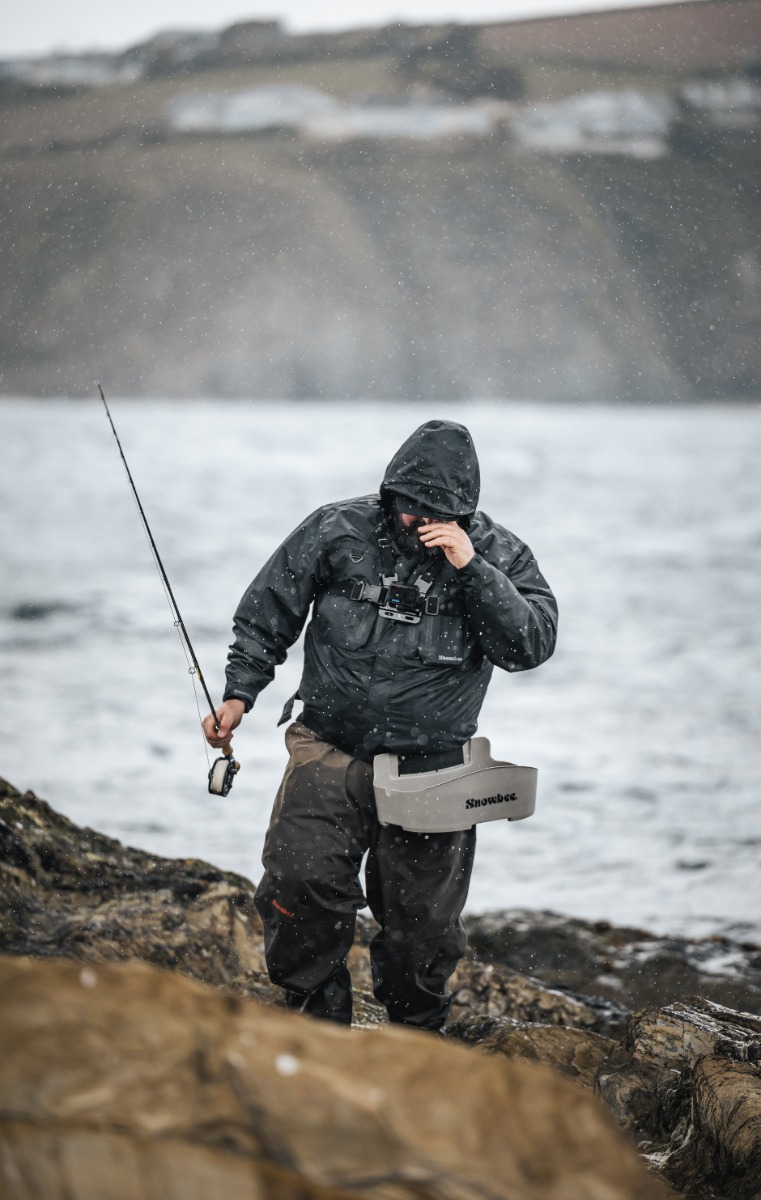
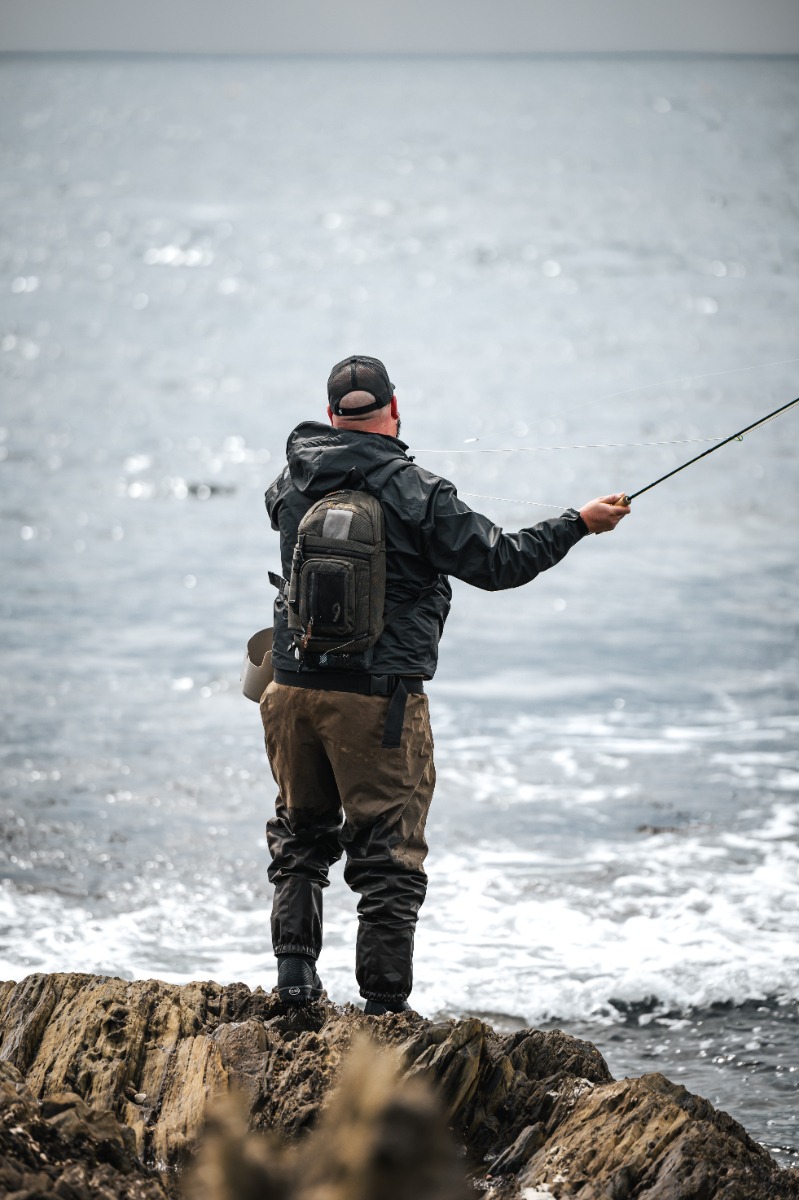
When targeting bass along the South West coastline, lively water is often the key.
Areas with a bit of swell, ‘white water’ and movement tend to be far more productive than flat, calm conditions. Bass are opportunistic predators and will often use turbulent water to their advantage, allowing them to ambush prey while remaining concealed.
Gullies, channels and broken ground are particularly worth exploring, as this white water wave action can disorientate baitfish and wash them into predictable holding areas. Bass will often patrol these features, using the turbulent water as cover while targeting easy meals.
Rocky areas can be especially productive during warmer weather. Rocks that have been exposed to the sun throughout the day absorb heat, and when the tide begins to flood over them, they can attract large numbers of small baitfish looking for shelter and warmer water.
This creates a natural feeding opportunity for predators such as wrasse and bass.
Pay close attention to:
- Rocky gullies
- Submerged boulders
- Broken ground
- White water
- Tide races
- The edges of rock platforms
- Areas where deeper water meets the shoreline
These are all classic bass holding areas and are well worth spending time exploring.
Fly fishing estuaries for bass
Estuaries are among the best places to sight fish for bass and can provide some of the most visual fly fishing available anywhere in the UK. The clearer, shallower water often allows you to spot fish before making a cast, giving you a huge advantage.
One of the first things I look for is mullet. Bass frequently shadow mullet shoals, feeding on smaller fish or taking advantage of anything disturbed by the larger shoal.
Keep an eye out for:
- Nervous baitfish
- Sudden swirls
- Bow waves
- Flashes beneath the surface
- Mullet shoals
- Small baitfish scattering
These signs often indicate feeding bass are nearby.
Estuaries can also be excellent locations for anglers wanting to improve their watercraft and fish-spotting skills, as you're often able to observe fish behaviour before making a cast.
My Bass Fly Fishing Equipment
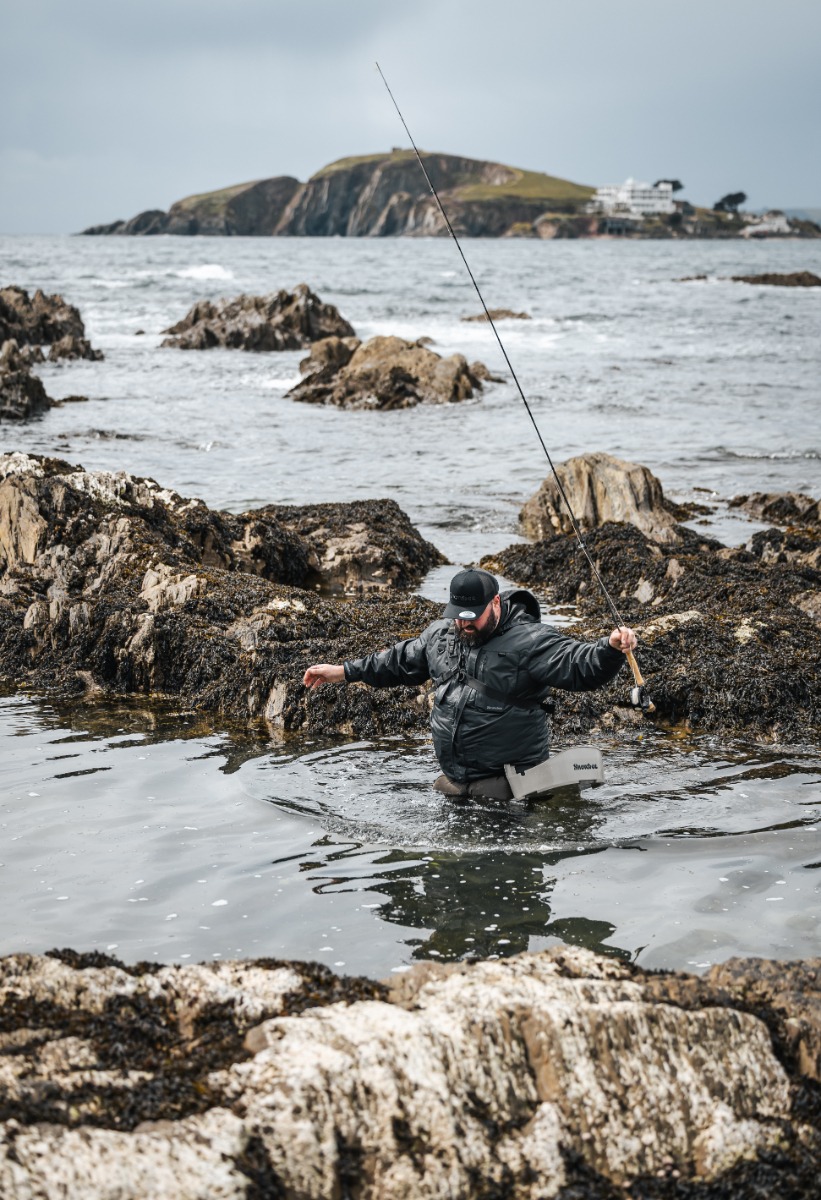
Having the right tackle can make a huge difference when fishing exposed coastlines and challenging conditions.
The Rod
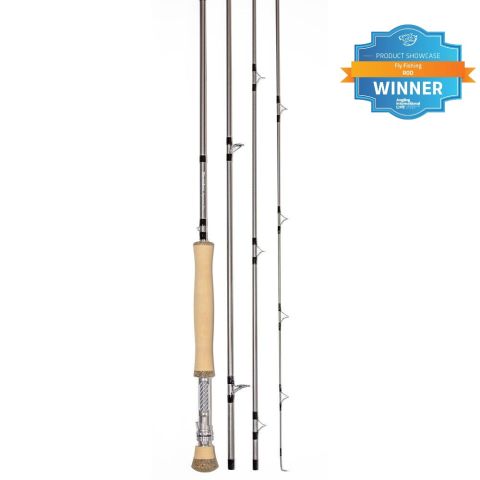
The Snowbee Spectre Pro 9ft #9 Fly Rod is by far my favourite fly rod we have ever produced.
It has the power to turn over almost any size of fly, even in the most challenging conditions. Despite its strength, it's light enough to fish comfortably all day, yet still has the backbone needed to handle hard-fighting bass and other powerful saltwater and freshwater predators.
For best results, pair with the new Spectre Pro #9/10 Big Fly Line, as this will turn over large flies better than any other fly line I have tried.
Wading Footwear
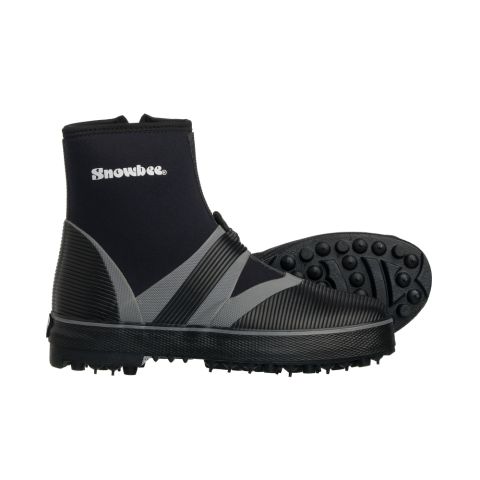
The Snowbee Rockhopper Spike Sole Wading Boots have become one of the most important pieces of kit in my setup.
We've all had those moments where we've slipped on wet rocks or come close to taking an unexpected swim, and this can be an especially scary concept when fishing from the coast. The grip these boots provide is exceptional, giving you the confidence to move safely across difficult terrain.
More than once, they've been the difference between staying dry and ending up soaked or worse.
Luggage
The Snowbee Sling Bag is perfect for anglers who like to stay mobile.
Compact and lightweight, it carries all the essentials without getting in the way. The clever single-strap design allows you to quickly swing the bag from your back to your front, giving instant access to flies, leaders and tackle when you need them.
It's comfortable to wear all day and ideal for covering plenty of ground while searching for fish.
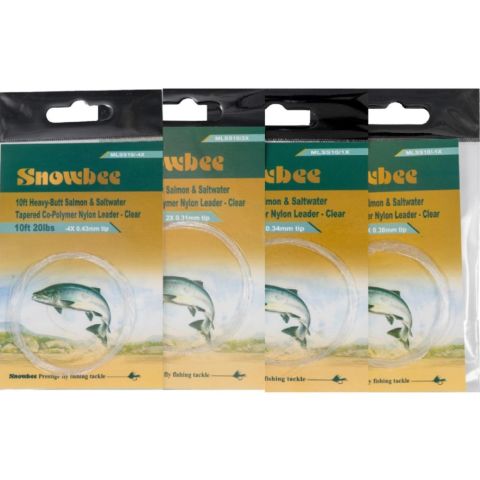
Bass Fly Fishing Leaders and Tippets
My go-to leader setup for bass fishing is a 9ft, 12lb monofilament leader, although I'll often shorten this to around 7ft when fishing in stronger winds or rougher conditions.
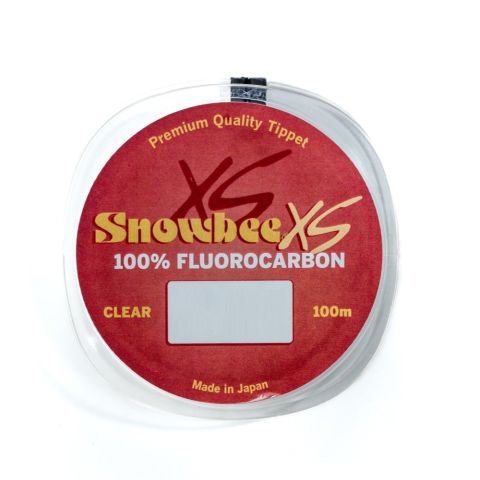
I then add around 2ft of 10lb–12lb fluorocarbon tippet, depending on the terrain I'm fishing over.
Fluorocarbon is particularly useful when targeting bass around rocky ground, as its abrasion resistance helps withstand contact with rocks, weed and other underwater structure.
For leader materials and tippets, take a look at our range here.
The Best Flies for Bass Fishing
When it comes to fly choice, I'm very much a "match the hatch" angler. If I can see baitfish in the area, I'll try to imitate them as closely as possible. In the early summer, there always seems to be plenty of small sand eels around, making slim-profile baitfish patterns a great option. Matching the dominant food source can often make a huge difference, particularly when bass are feeding selectively.
My Favourite Bass Flies
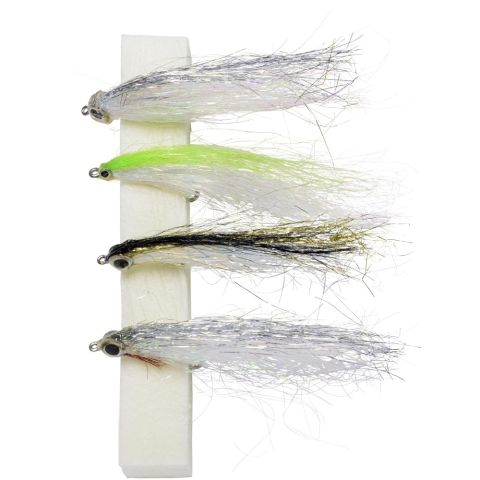
Both of our Sea Surf Special Fly Selections have proven very successful throughout the summer. My personal favourites are the Scad and the Cut Throat from the Surf Special 1 selection.
Both have a natural baitfish profile and excellent movement in the water, making them highly effective for tempting feeding bass.
Don't be afraid to vary your retrieve speed and introduce occasional pauses. This often triggers takes from fish that have followed the fly without committing.
Final Thoughts
Fly fishing for bass in the South West – and indeed elsewhere on the UK coastline – offers some of the most exciting sport available to UK fly anglers.
Whether you're fishing rough open coastline, rocky gullies or clear estuaries, understanding where bass are likely to hold will dramatically improve your chances of success.
Combine good watercraft with the right tackle, sensible leader setups and baitfish imitations that match the available food source, and you'll quickly discover why so many anglers become hooked on bass fishing with a fly rod.
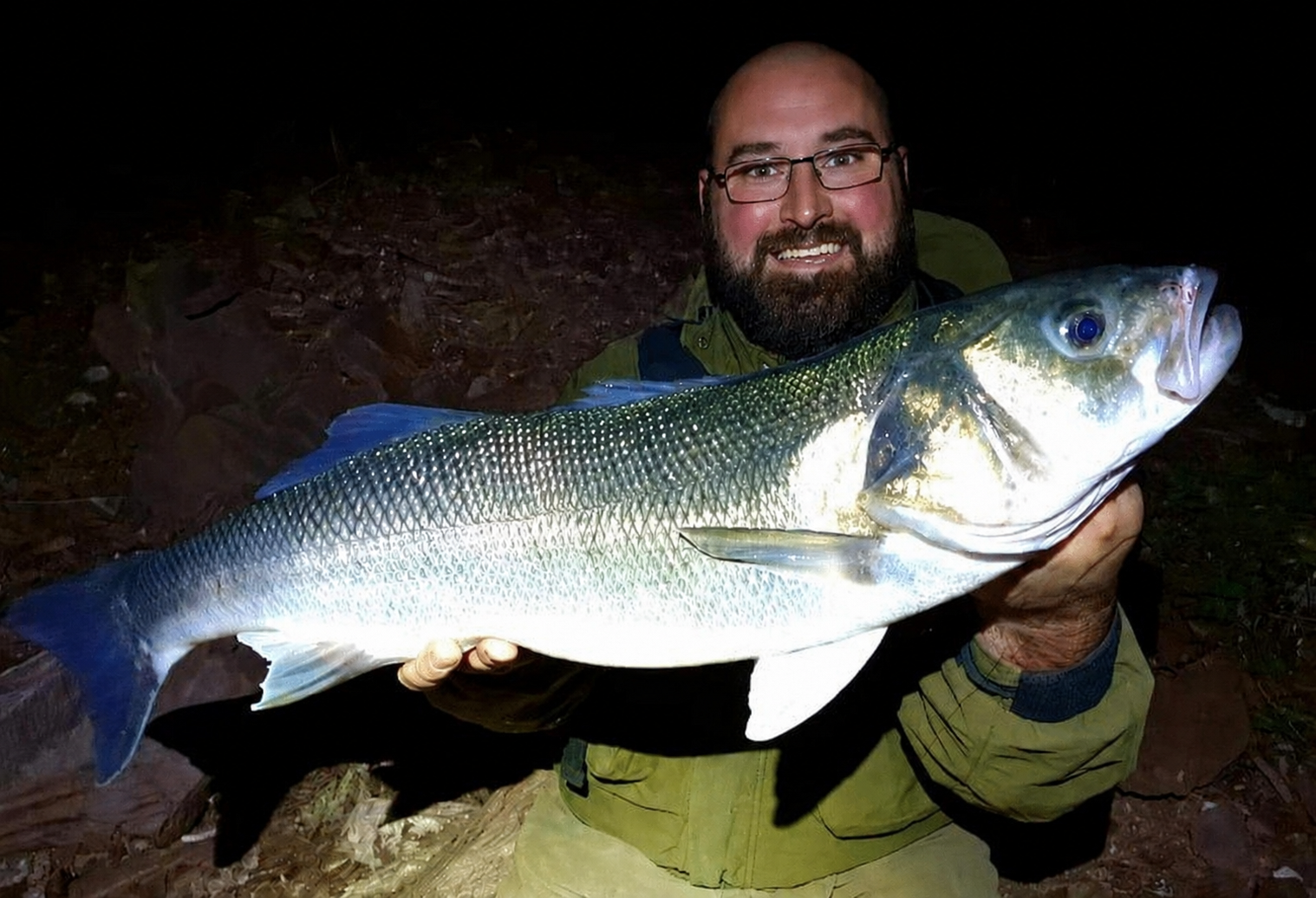
Jon is the Customer Account Manager for Snowbee and our specialist ‘alternative’ species fisherman. Jon has caught an array of trophy fish around the UK and Europe, from catfish to pike, carp, tench to name but a few, and has a particular love for saltwater fly fishing around the Devon and Cornwall coastline.
For more tips and tackle advice, please email: [email protected]