
Free Standard Delivery*
On orders over £50
Friendly Customer Care
Contact us for help and advice
30 Day Return Policy
Buy with confidence
Filter Products
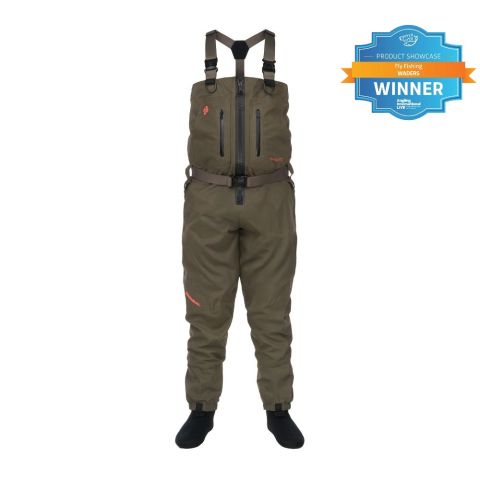
SKU: 735-11192-ZIP-CONFIG
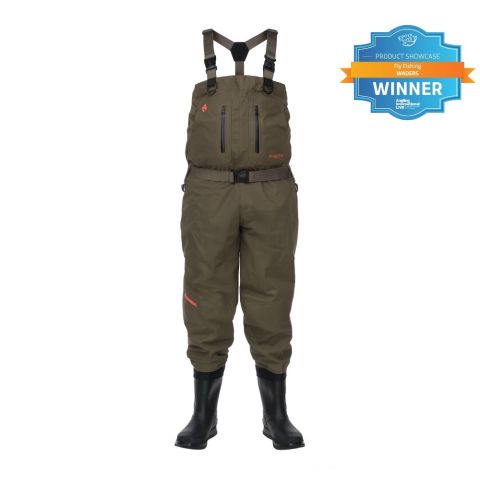
SKU: 735-1119409-CONFIG
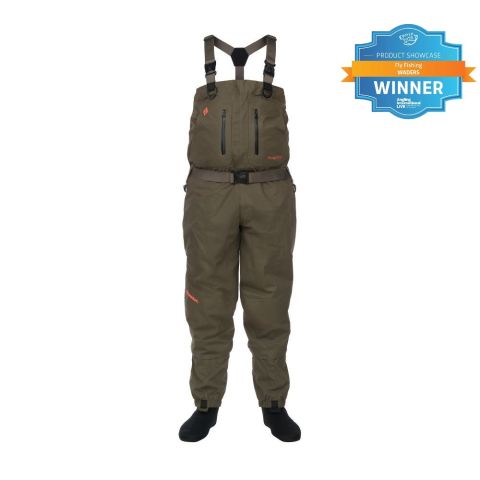
SKU: 735-11192-CONFIG

SKU: 735-1119601-CONFIG

SKU: 735-11195-CONFIG
Q1: How do breathable waders work?
As your body warms up inside the waders, it creates a humid micro-climate relative to the air or water outside. That pressure difference forces moisture out through the membrane, while the same membrane's tiny pores are too small to let liquid water in.
Q2: How do I find leaks in breathable waders?
Dry the waders, hang them up and fill them with water to spot a trickle or bead. For a more targeted check, a leak-detection spray can help highlight small punctures as a dark damp spot before you mark and repair them.
Q3: How do I patch or repair breathable waders?
Small cuts and punctures can be patched using a wader repair kit. Seam leaks are best fixed with a liquid patch product. See our repair kits and adhesives for everything you need.
Q4: What are breathable waders?
Breathable waders are made from a waterproof fabric with a microporous membrane that allows sweat and condensation to escape as vapour while stopping water getting in. This helps reduce (though not completely eliminate) the clammy feeling from your own perspiration, keeping you more comfortable than non-breathable waders. It's worth noting that this breathability relies on air contact on the outside of the fabric. Once the waders are submerged in water, there's no air on the outer surface for vapour to escape into, so the breathable effect doesn't function below the waterline. Browse our breathable waders range.
Q5: Are breathable waders warmer, lighter or cheaper than neoprene?
Breathable waders are generally lighter and more comfortable to move and fish in than neoprene, but neoprene has the edge for warmth in cold water since it insulates as well as protects. Breathable waders are generally at a premium to neoprene, but pricing varies by model on both sides, so it’s worth comparing individual waders rather than materials alone. Breathable materials tend to suit longer, more active days, and are certainly the best choice in the spring and summer and are a great choice for year-round wear. While neoprene is certainly a better choice for cold days, deeper wading and when less active. Neoprene waders are also great for foreshore wildfowling.
Q6: Are breathable waders warm enough for cold water or early spring fishing?
Breathable waders have very little insulation built in, their strength is comfort and moisture control, not warmth. For cold water sessions from late autumn to early spring, wearing a thermal base and mid-layer underneath your waders will keep you warm and dry.
Q7: What should I wear under breathable waders?
Layer as you would for cold-weather walking – a wicking base layer next to the skin, then a fleece or thermal mid-layer for warmth. Avoid cotton, which holds moisture rather than moving it away from your skin. Equally important is to wear your waterproof coat over the top of your waders, as this will prevent rain water dripping into your waders.
Q8: How should I store and wash breathable waders?
Always dry breathable waders fully before storing, and hang them out of direct sunlight. Packing them away damp can encourage microbial growth that breaks down the membrane over time. When washing, use lukewarm water and a mild soap rather than detergents or industrial cleaners, which can damage the coating.
Free Standard Delivery*
On orders over £50
Friendly Customer Care
Contact us for help and advice
30 Day Return Policy
Buy with confidence