
Free Standard Delivery*
On orders over £50
Friendly Customer Care
Contact us for help and advice
30 Day Return Policy
Buy with confidence

Filter Products
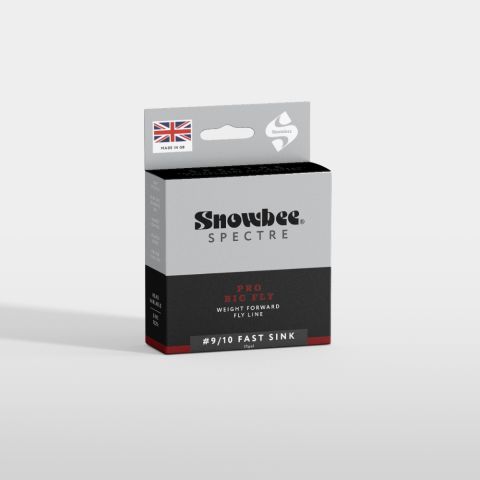
SKU: 735-WFSPBF7-CONFIG
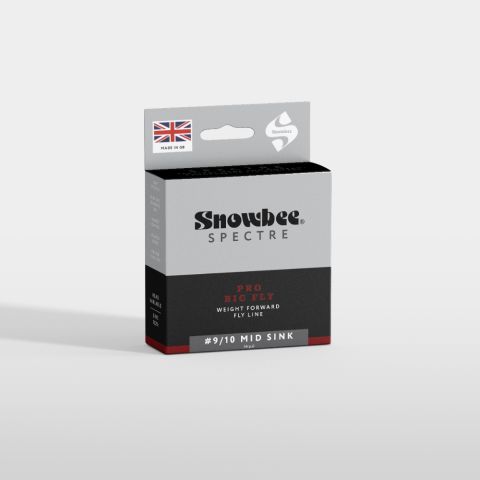
SKU: 735-WFSPBF4-CONFIG
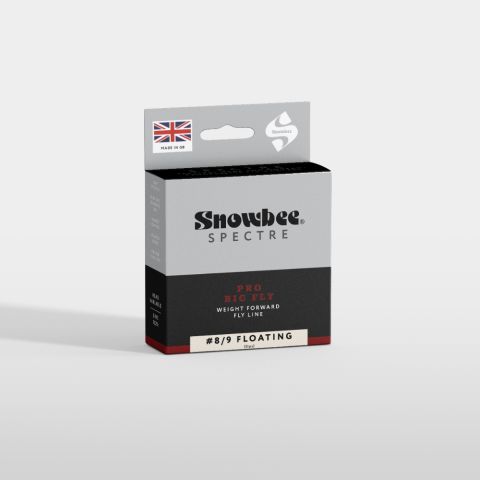
SKU: 735-WFSPBFF-CONFIG

SKU: 735-WFSPUD-CONFIG
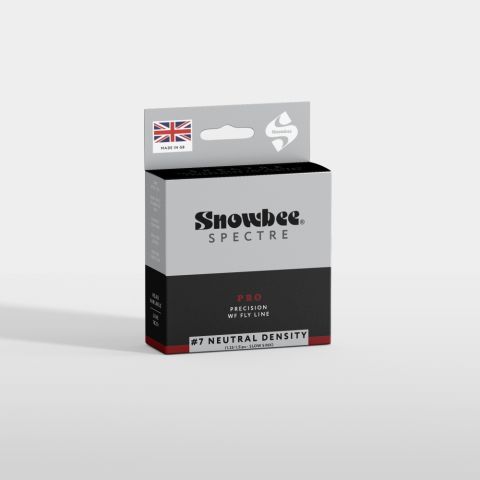
SKU: 735-WFSPND-CONFIG
SKU: 735-WFSPST-CONFIG

SKU: 735-WFSPRC-CONFIG

SKU: 735-WFSPI-CONFIG

SKU: 735-WFSPF-CONFIG

SKU: 735-WFSPCD7-CONFIG

SKU: 735-WFSPCD4-CONFIG
SKU: 735-SF-CONFIG
SKU: 735-TSF-CONFIG
SKU: 735-SSF-CONFIG
SKU: 735-TSWBF-CONFIG
SKU: 735-TSWP-F-CONFIG
SKU: 735-WFSDI-CONFIG

SKU: 735-EXDF-CONFIG
SKU: 735-WFSDST-CONFIG
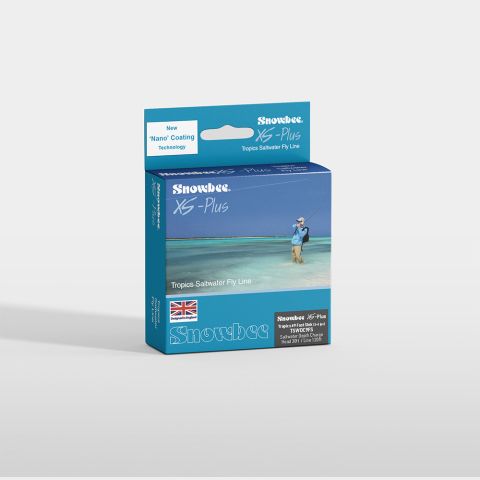
SKU: 735-TSWDC-FS-CONFIG
Q1: How do I choose the right fly line density and weight for my fishing?
Line density depends mainly on water conditions and how deep the fish are lying, floating lines suit surface and near-surface fishing, while intermediate and sinking lines get your fly down to fish holding deeper, particularly in very cold or very hot weather.
Line weight should generally match your rod and could be written as #8 or 8wt for example. Older rods are often identified as #5/6 and a common mistake is thinking they are multi-weighted and suitable for either a #5 or #6 weight, but that is not the case. This rod is graded for a traditional #5 double taper fly line or a #6 weight forward fly line, or whatever the numbers say.
There are some exceptions, such as our multi-weighted fly lines. These are available in #1-4, #2-5, #5-7, #8/9 and #9/10. These particular lines have a specially developed taper allowing them to cast equally well on any rod within that range; for example the #1-4 Thistledown 2 fly line is capable of amazing performance on a rod rated #1 as it is on one rated #4.
Q2: How much backing do I need on my fly reel?
Backing is the extra line held in reserve for when a fish runs hard and strips the fly line from the reel, how much you need depends on reel capacity and what you’re fishing for. As a rough guide: a #3/4 reel with a WF3F line takes 50–100m of 20lb backing, a #5/6 reel with WF5F takes 75–100m, and a #7/8 or #9/11 reel takes around 100m of 20–30lb backing.
There is another purpose to backing, though and that is to fill your reel and improve the memory reduction of a fly line. Reels come in all sizes, but generally you want the tip of the fly line to be within just a few turns of the outside diameter of the reel allowing a good 20-30ft of leader material on the end before the reel is full. This is so that the main business end of the fly line is at the reel’s widest diameter, reducing coiling of your fly line and poor performance. It is more important on traditional fly reels than it is on modern large arbour alternatives.
See our Backing & Accessories range.
Q3: How do I attach my fly line to my reel?
We recommend an Arbour knot as it secures the backing directly to the center barrel (the arbor) of a fly reel. Watch our video guide for a step-by-step walkthrough.
Q4: What should I use to clean my fly line?
Avoid industrial cleaners, solvents, insect repellents containing DEET and excessive heat, all of which can damage a line's PVC coating over time. Clean occasionally with warm water and a few drops of mild soap on a soft cloth, then treat with the line slick (for floating lines) or degreaser (for sinking lines), before drying and re-spooling. If not using the line for a while, store it off the reel in loose coils, away from direct sunlight.
Q5: What's the best floating fly line for beginners?
A floating fly line is the right starting point for almost every beginner, as it’s the easiest to cast, lift off line, mend and read on the water. They are also the most versatile line, able to fish on the surface to the first few feet, or even deeper with sinking tips attached. As you progress, you can move into integrated sink-tips and full intermediate and sinking lines for deeper presentations and control. Browse our Floating River Fly Lines and Floating Stillwater Fly Lines to find the right one for where you fish.
Q6: Tell me more about your Scandinavian-Spey lines and shooting heads?
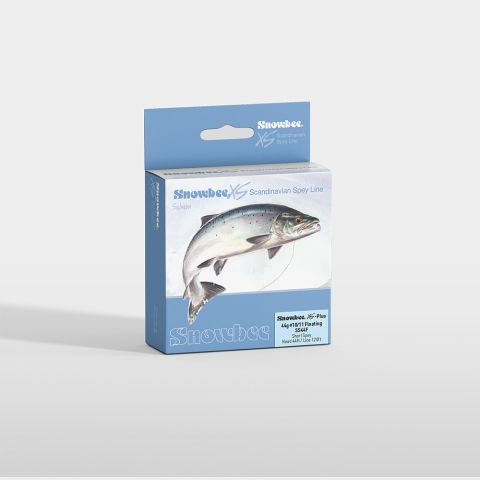
Our Scandinavian-Spey lines are made for salmon and sea trout anglers fishing double-handed rods in tight spots, where there's no room for a large D loop. They load the rod quickly at short range, shoot well and turn over like a traditional Spey line. The colour-coded core also forms the first 50 yards of backing, so there's no line-to-backing knot.
Our trim-to-fit Scandinavian Shooting Heads have the same profile and head weights. You can cut them down to suit your rod and casting style. They come in a range of head weights for single-handed and double-handed rods.
Both come in floating, intermediate and ultra-fast sinking densities.
Q7: I'm new to two-handed Spey casting. Which line is best for me?
Start with a lesson from a specialist Spey casting instructor, then choose a line based on two things:
Head length matters because the rod loads fully only when the D loop is at full stretch. A head that's too long or too short for the space makes that hard to get right. Snowbee Spey lines are balanced so you can load the rod properly on almost any river.
Free Standard Delivery*
On orders over £50
Friendly Customer Care
Contact us for help and advice
30 Day Return Policy
Buy with confidence