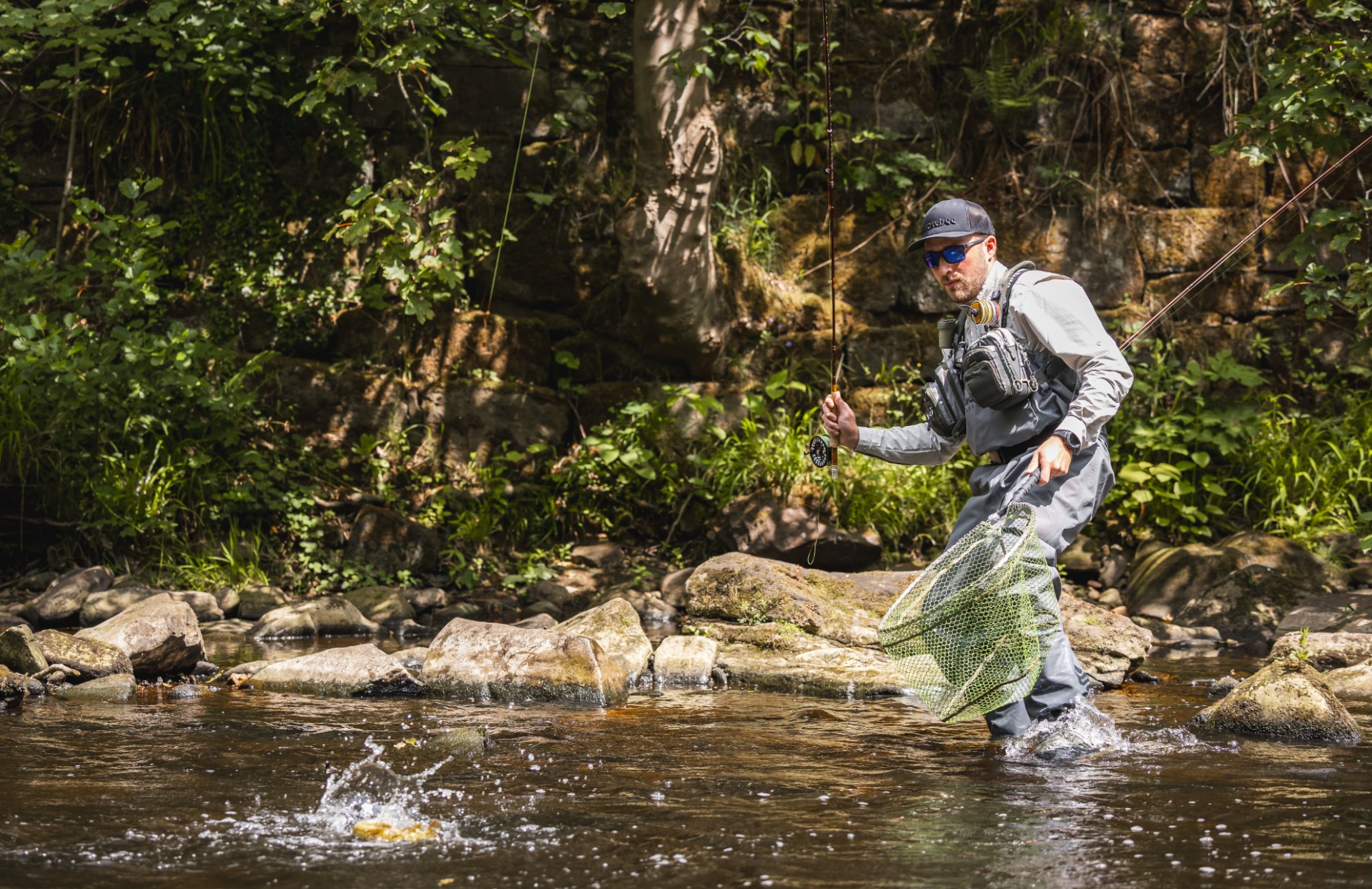
Snowbee ambassador and England international fly angler James Atkinson shares the summer trout fishing tactics, fly selections, tackle choices and rivercraft techniques he relies on throughout the summer season.
Summer trout fishing can provide some of the most exciting river fishing of the entire season. Longer days, active fish and opportunities to catch trout on dry flies, nymphs and dry-dropper rigs make this a favourite time of year for many anglers.
However, catching river trout during warm weather often requires a different approach to spring fishing. Rising water temperatures, lower river levels and changing insect activity can all have a significant impact on where trout hold and how they feed. Understanding these changes is often the difference between a frustrating day on the river and consistent success.
Over the years, I've found that successful summer trout fishing has become increasingly linked to three key factors: water temperature, fish location and presentation. While fly selection remains important, adapting your tactics to suit the conditions is often far more important than matching a specific hatch.
On many of the rivers I fish, hatches now appear less concentrated than they once were, while water temperatures regularly climb higher than they did in the past. As a result, trout behaviour can change dramatically throughout the day, particularly during prolonged periods of warm weather.
In this article, I'll share the summer trout fishing tactics, fly selections, tackle choices and rivercraft techniques that I rely on throughout the season, along with a few important considerations regarding fish welfare when water temperatures begin to rise.
With that in mind, here are a few tips to help you make the most of your summer trout fishing.
In This Article
- Understanding water temperature and trout behaviour
- Choosing the best summer trout fishing method
- My Euro nymph setup
- My dry fly setup
- My castable dry-dropper setup
- Best flies for summer trout fishing
- Summer trout tackle considerations
- Finding trout in warm weather
- Summer trout fishing FAQs
Quick Summer Trout Tips
- Carry a thermometer and regularly monitor water temperatures.
- Consider fish welfare carefully when temperatures exceed 19°C.
- Focus on riffles, pocket water and shaded areas during warmer periods.
- Fish smaller flies as summer progresses.
- Use lighter tackle and longer leaders in low, clear water.
- Prioritise presentation and watercraft over fly pattern selection.
Summer Trout Fishing and Water Temperature
Many anglers will happily spend hundreds, if not thousands, of pounds on rods, reels and fly lines, yet never consider carrying a thermometer. In reality, a £10–£30 river thermometer may be one of the most valuable pieces of equipment you own.
Water temperature is often discussed only in terms of fish safety, but it also drives trout behaviour. Most importantly, if the water temperature exceeds 19°C, anglers should carefully consider whether catch-and-release fishing remains appropriate. Most studies suggest catch-and-release remains effective up to around 20°C, but mortality rates begin to increase beyond this point. Research has also shown that reflex impairment, an important factor influencing post-release survival, becomes more pronounced at elevated temperatures.
I've included the references I consulted at the end of this article for anyone interested in exploring the science in more detail.
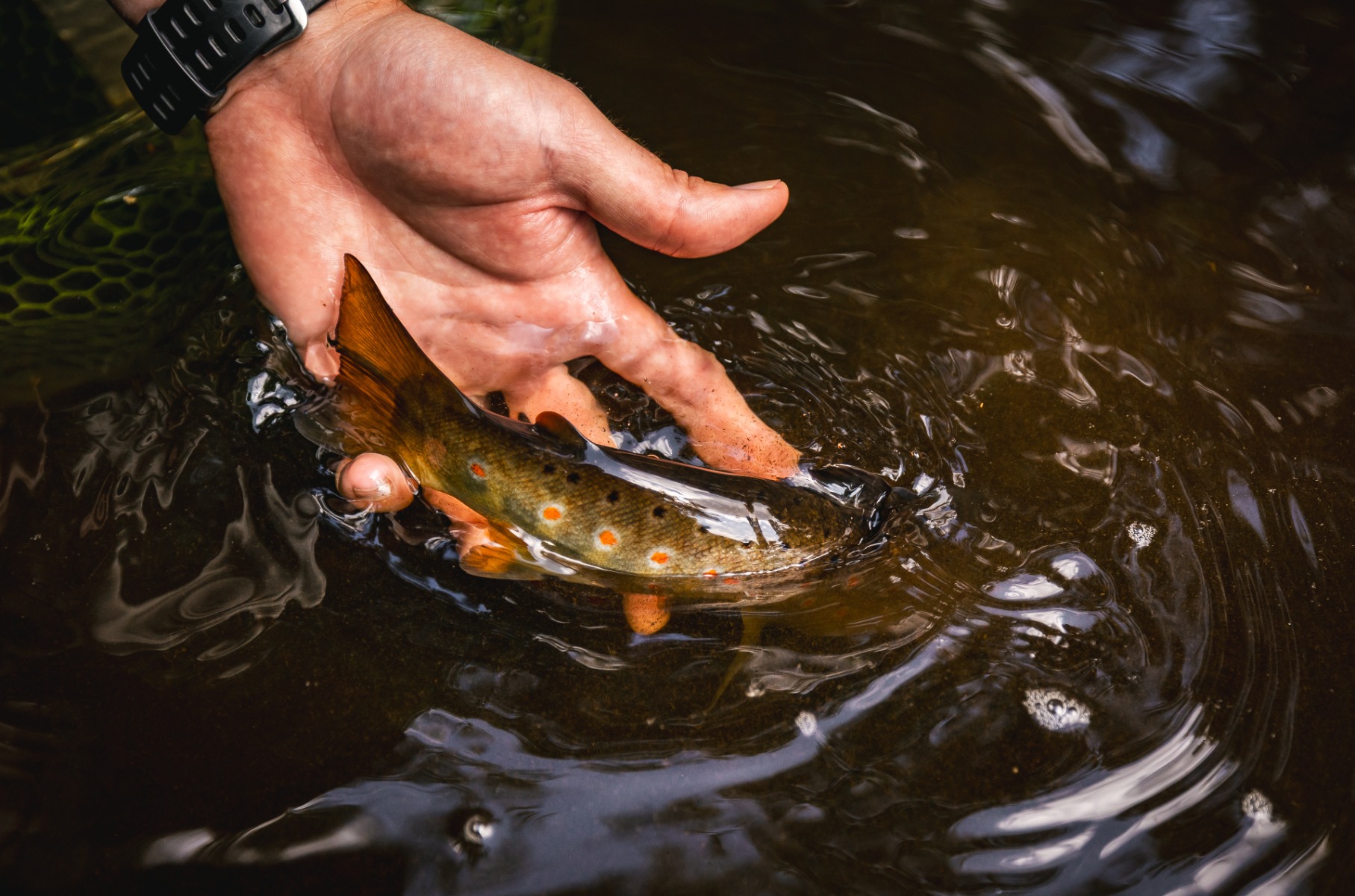
From a practical fishing perspective, understanding temperature can dramatically improve your success. As water temperatures rise above 10°C, trout metabolism increases, causing fish to feed more actively and for longer periods. In general, I look for water temperatures between 13°C and 16°C, which often provide ideal feeding conditions and some of the best river trout fishing opportunities of the season.
Unfortunately, many lowland rivers are now reaching temperatures above 18°C more regularly during summer. Once water temperatures climb this high, trout often reduce their feeding activity and spend more time sheltering beneath rocks, roots and overhanging vegetation.
When this happens, focus your efforts on oxygen-rich water such as riffles, pocket water and well-structured shaded areas.
The Best Summer Trout Fishing Methods
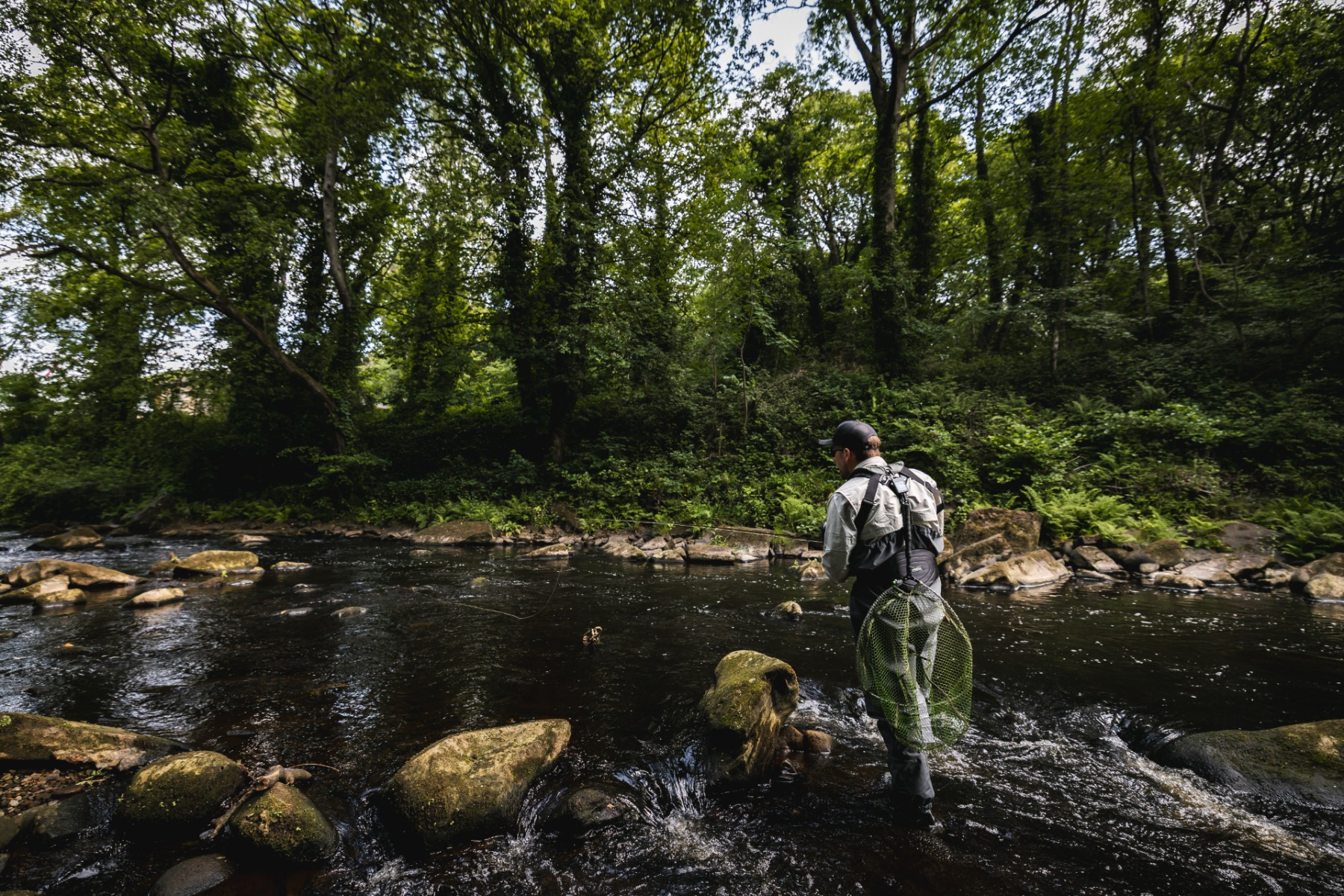
What method should you use? It's a question anglers have debated for generations.
The good news is that most methods can be effective at this time of year. Personally, I like to maximise my chances by choosing the technique that best suits the conditions on the day. As a result, I typically carry two rods: one set up for Euro nymphing and another rigged either for dry fly or dry-dropper fishing.
This approach allows me to adapt quickly without constantly changing leaders and rigs. Between these setups, I can effectively cover everything from tight-line nymphing to dry fly fishing and even light streamer work if required.
My Euro Nymph Setup
My Euro nymph setup is deliberately simple. I use a section of bi-colour mono ranging from 0.18 mm to 0.14 mm, depending on the size of fish I expect to encounter. The thinner the better, to reduce sag and slack in the leader, and thus have greater control of lighter flies.
I then adjust my tippet length depending on whether I'm fishing a single nymph, double nymph rig or a duo setup. As a general rule, I maintain around 50 cm between flies and approximately the same distance between the bi-colour indicator section and the first fly.
Simple, effective and very easy to adapt.
My Dry Fly Setup
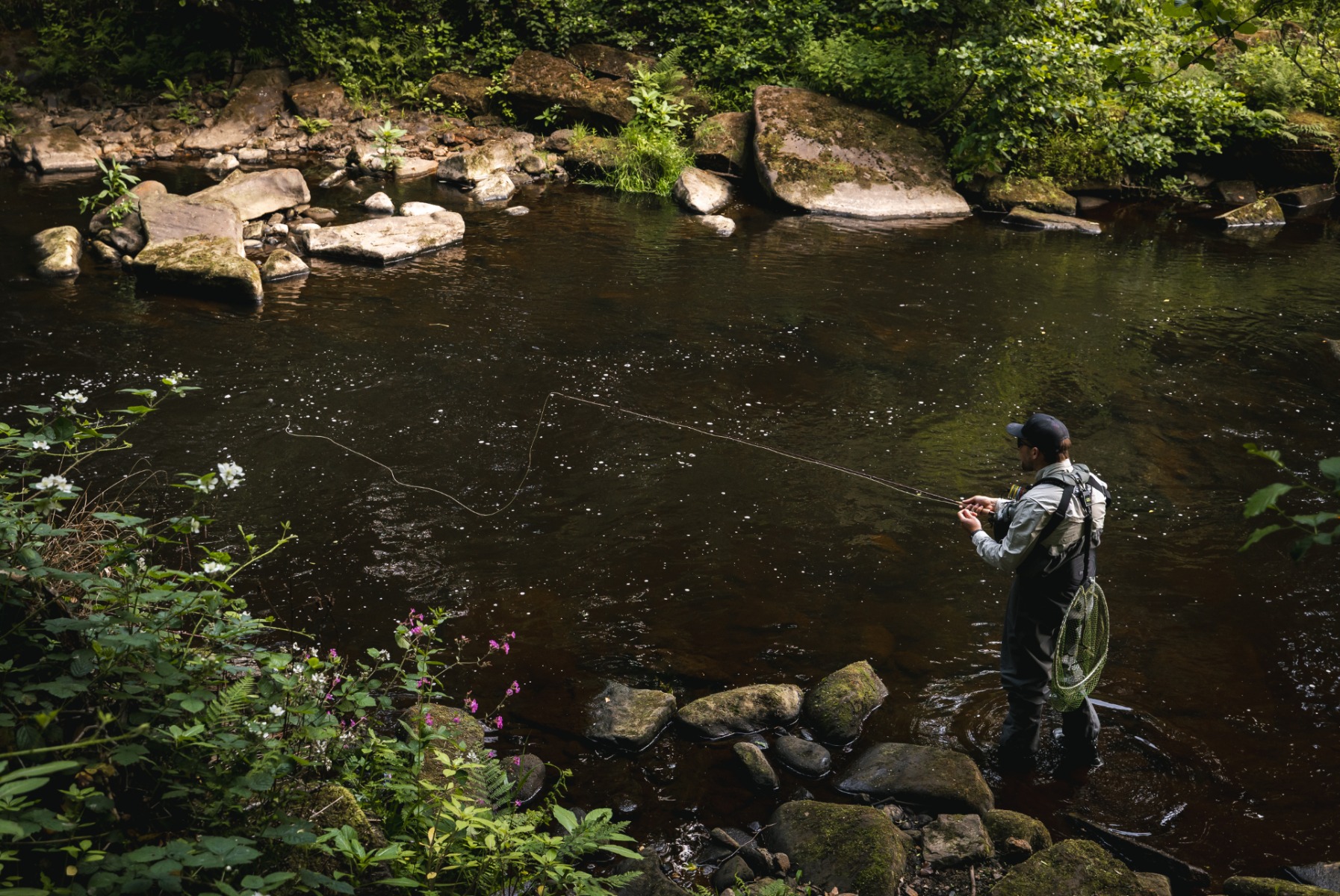
My preferred dry fly setup follows the principles of the Spanish-style dry fly approach. The key idea is that the final section of the leader folds over, allowing the fly to reach the fish before any line or leader material. When executed correctly, this technique can be incredibly effective.
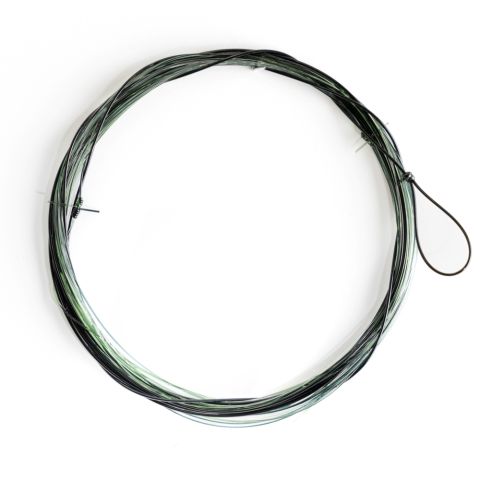
Recently, I've been using the Snowbee Knotted Tapered French Leader in a 12ft length, followed by approximately 6ft of level tippet (i.e. 6ft of 2lb or 3lb copolymer) matched to the fish and conditions. In clear summer water, I often fish tippets as fine as 0.10 mm for trout and even lighter for grayling.
I particularly like this leader because it is slightly stiffer than standard copolymer leaders. This allows the butt section to turn over cleanly while the finer tippet folds naturally, creating the characteristic "U" shape that produces a drag-free presentation.
I pair this setup with the Snowbee Thistledown Fly Line. The lighter line allows for delicate presentations and makes it easier to generate the slack-line casts needed for this style of fishing.
My Castable Dry-Dropper Setup
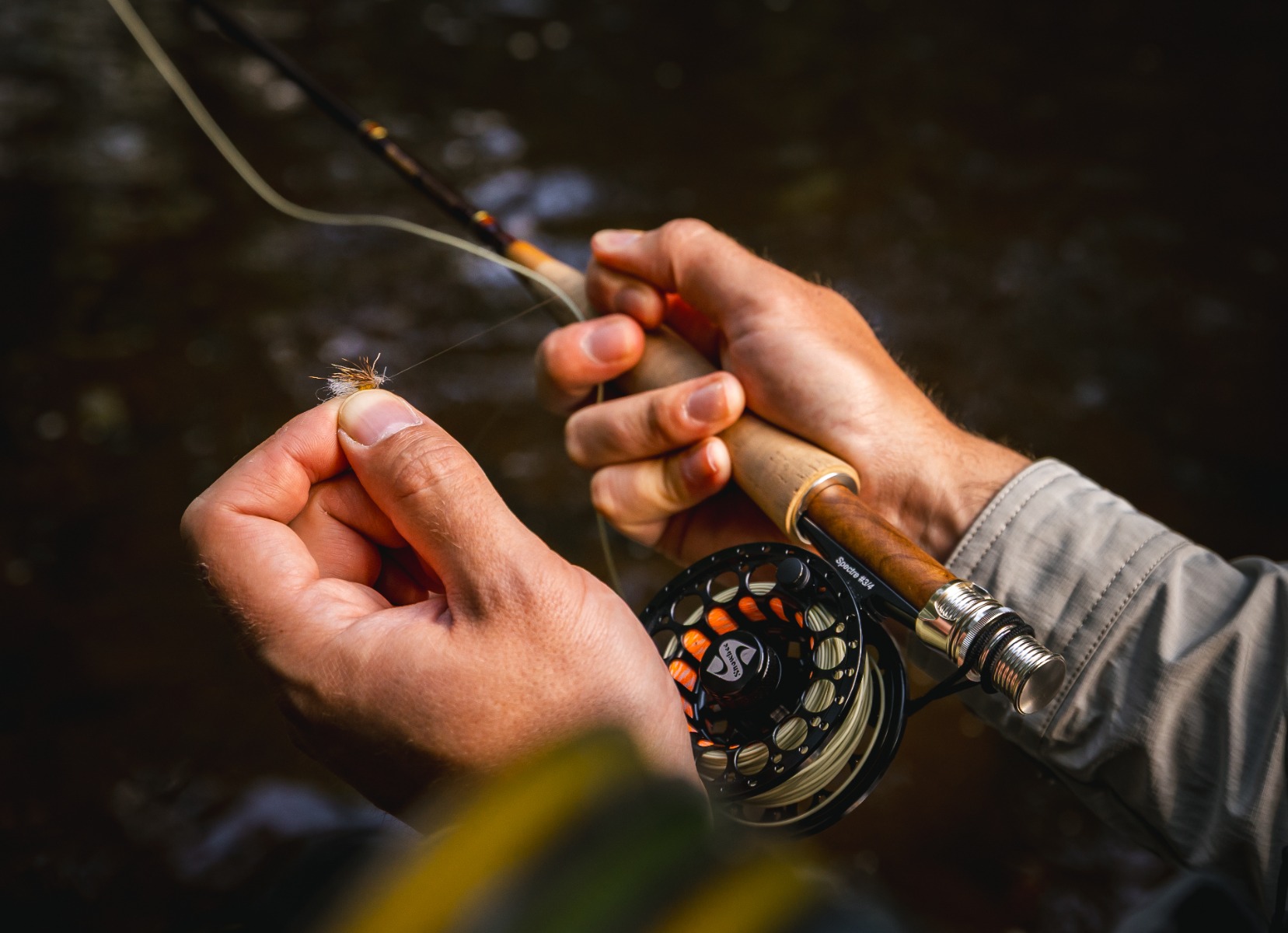
For my castable dry-dropper setup, I use the same rod but switch to a slightly heavier #2-5 fly line, typically the Snowbee Spectre Pro Ultra Dry Fly Line as this improves turnover with larger flies and indicator-style dry flies.
The leader is shorter and more evenly tapered, usually between 6 and 8 ft. This can be created by trimming a standard 9 ft tapered leader down to the desired length while maintaining a balanced taper.
I then add around 50cm of tippet to the leader to which I will make the dropper carrying the dry fly, followed by a point section adjusted to suit the depth of water being fished. The point may vary from 50cm to 100cm, depending on the depth. Generally, I avoid fishing more than 5ft to the point fly, as excessive length can introduce slack and lead to missed takes.
I also avoid Klinkhammer-style flies for this setup. Their aerodynamics often result in poor turnover and excessive leader twist. Instead, I favour Elk Hair Caddis-style patterns, which cast far more cleanly and efficiently.
Best Flies for Summer Trout Fishing
"What fly should I use?" is another age-old question.
If you've read my previous articles, you'll know that I firmly believe presentation and approach are far more important than the specific fly pattern. However, there are a few principles that help narrow down the options.
As summer progresses, the abundance of larger insects tends to decline while smaller insects become increasingly important. Midges, smaller olive species, aphids and small beetles often make up a significant portion of a trout’s diet.
As a result, from late May onwards I rarely fish anything larger than a size 16, unless mayflies are hatching in significant numbers.
Summer Nymph Selections
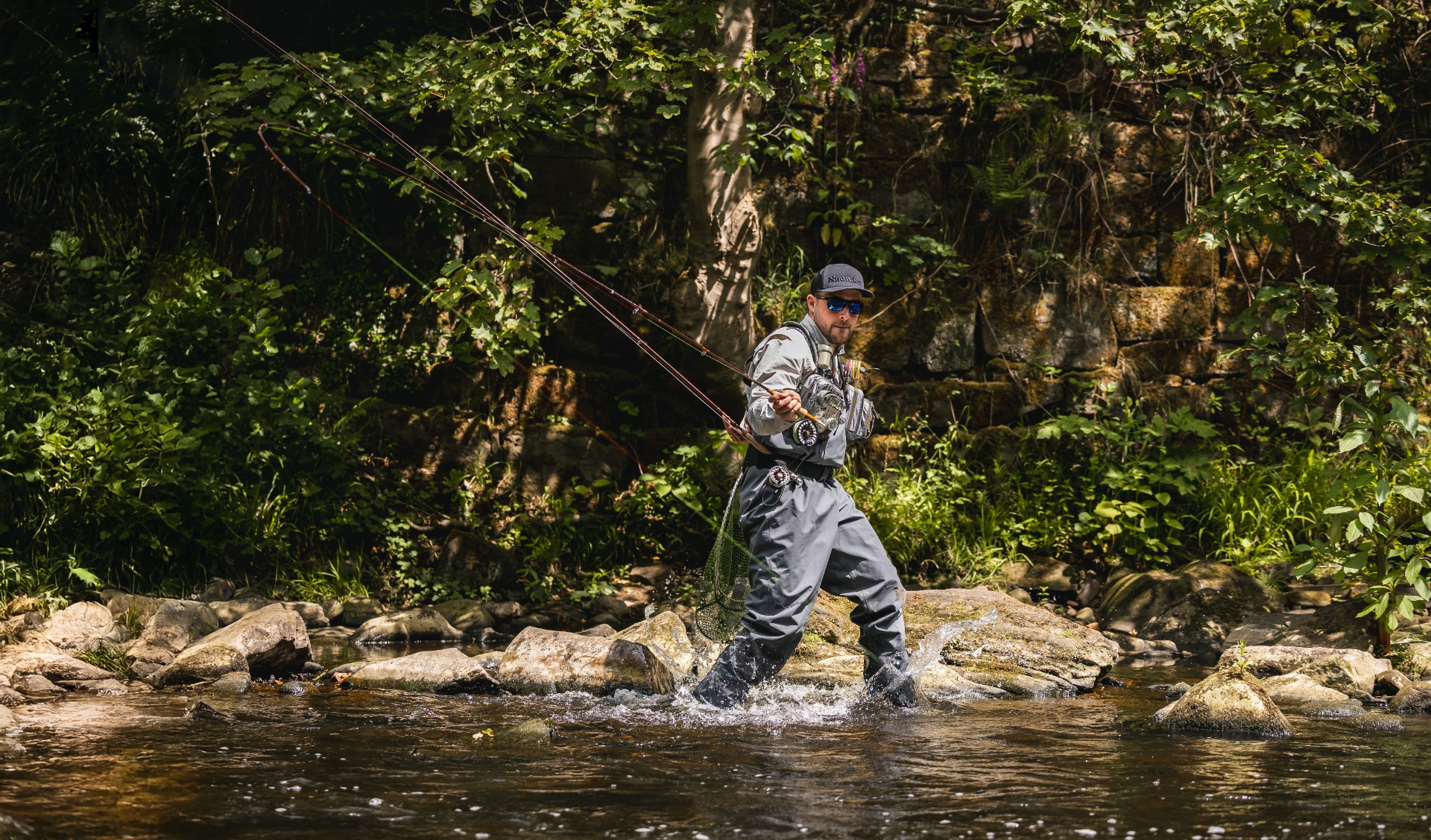
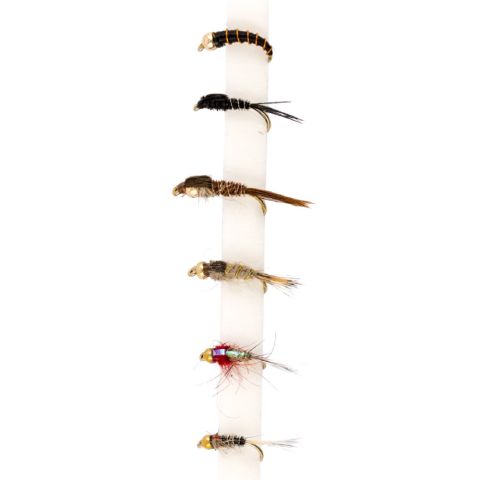
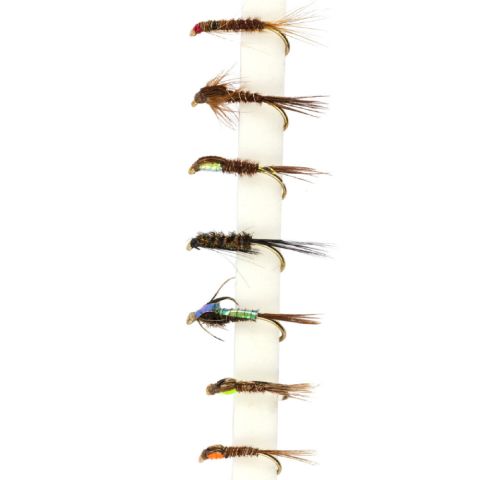
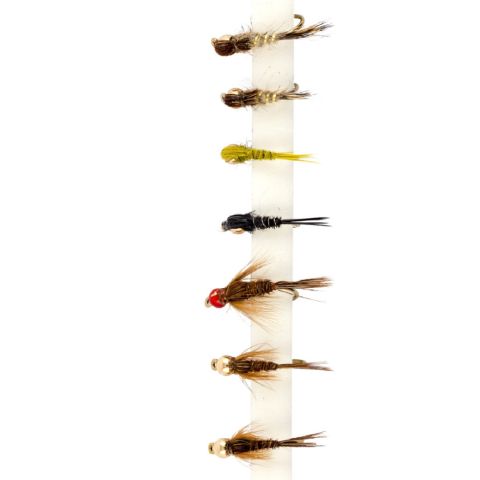
For nymphs, my selection is simple. I fish almost exclusively:
- Pheasant Tail nymphs
- Gasoline Perdigons
- Black and Red Perdigons
- Thread flies (typically a Hare's Ear style with an orange rib)
These patterns cover the vast majority of situations I encounter. I carry them in sizes 16–24 and in a range of weights.
I also pay close attention to bead colour. As water temperatures rise and trout feed more naturally, they often become wary of bright metallic beads. For trout, I favour copper, black or brown beads during summer. When the grayling season returns, I will often switch back to brighter bead colours to target them more effectively.
Dry Fly Choices
For many anglers, dry fly fishing is the highlight of summer.
Although I have noticed a decline in large upwing hatches, trout on many northern rivers appear to be feeding increasingly on midges, aphids and other small terrestrial insects.
This season has been a perfect example. From April onwards, my most productive dry flies have been a size 20 midge pattern and a size 18 terrestrial pattern, not unlike the Fulling Mill APT.
That said, always fish what you see. If olives are hatching, then matching them may be the key to success. Observation remains one of the most important skills an angler can develop.
It’s also worth remembering that many hatches now occur earlier in the day due to higher temperatures. If you’re fishing into the evening, always take a moment to look up. Spinner falls can often provide some of the best dry fly opportunities of the day.
Summer Trout Fishing Tackle Considerations
By summer, river levels are often low and clear. Some anglers view these conditions as difficult and wait for additional water before fishing. Personally, I've enjoyed some of my best trout fishing during low-water conditions.
What trout won’t tolerate, however, is poor watercraft.
Heavy wading, fishing too close to yourself, casting too often and using overly crude tackle (i.e. 4lb+ tippet) can quickly spook fish in clear water. Success often depends on fishing as light and as discreetly as conditions allow.
For most of my summer river fishing, I use the Snowbee Prestige G-XS 9ft 6in #3 for dry fly and dry-dropper fishing, alongside a Snowbee Nymph rod which is currently in development for tight-line techniques.
The latter has proven to be an excellent all-round rod during my testing this year. The soft tip protects fine tippets exceptionally well, while the powerful lower section comfortably handles larger fish. It also casts light leaders and small flies remarkably well, making it far more versatile than many dedicated nymph rods. So watch this space.
Finding Trout in Warm Weather
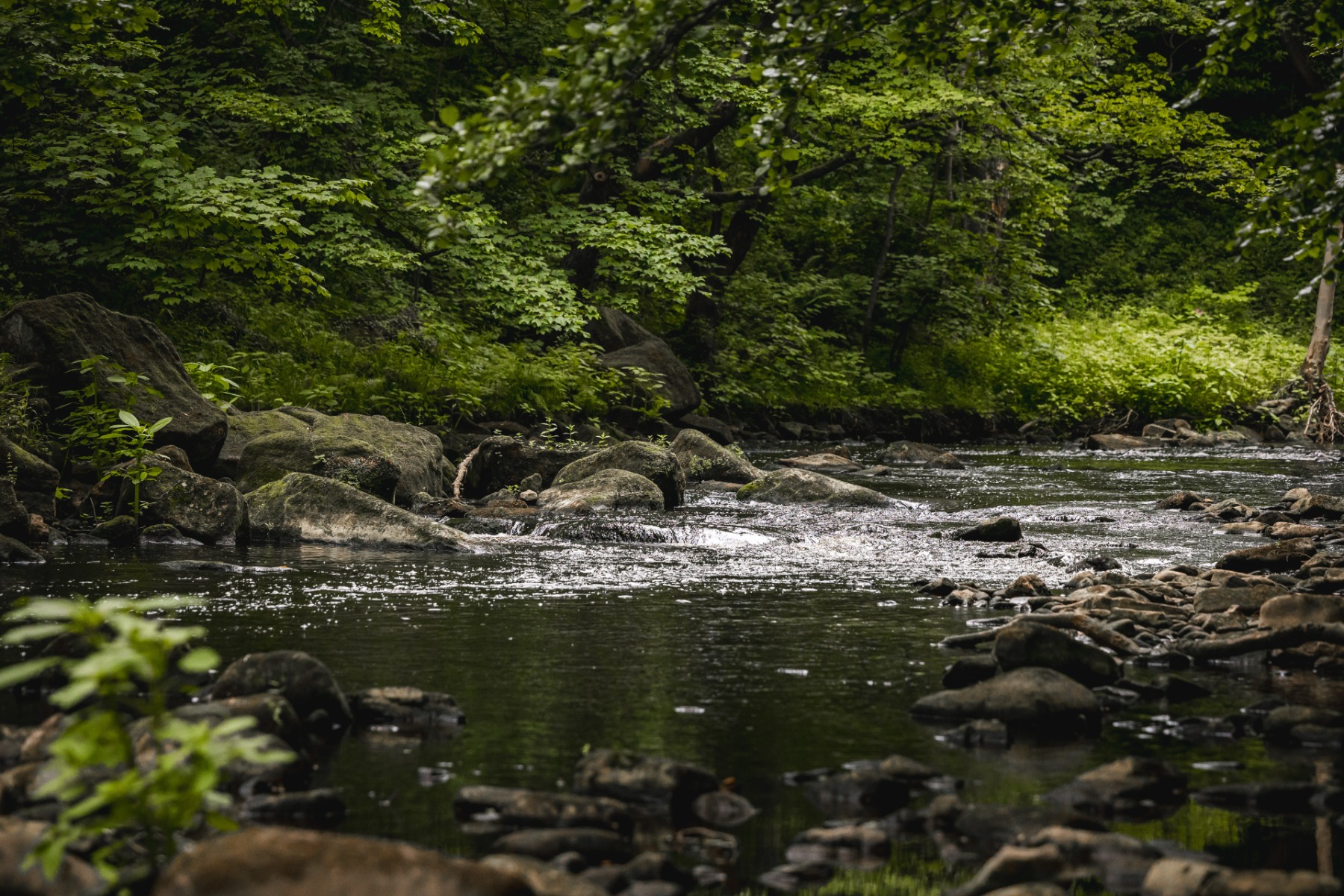
Once you've checked the water temperature and selected your method, the next step is identifying where the fish are likely to be holding.
When temperatures sit within the ideal 13–16°C range, I focus heavily on riffles and runs. These areas provide excellent feeding opportunities and often hold actively feeding fish.
As temperatures climb into the upper end of the fishable range, pocket water becomes increasingly important. Pocket water is usually associated with structure such as large rocks, submerged timber and other obstructions. These areas create turbulence, increasing oxygen levels while providing shelter from stronger currents.
Fishing pocket water effectively can be challenging. Maintaining contact with your flies is often more difficult, but it remains essential for detecting takes and achieving good drifts.
Shade is another major factor. Areas that fished well in direct sunlight one day may fish far better under shade the next. Keep an open mind and focus on current conditions rather than relying solely on previous hotspots.
Overhanging trees, exposed root systems and undercut banks are all classic summer holding areas. Trout often station themselves beneath this cover, picking off terrestrial insects that fall from the vegetation above.
I also find that the tails of longer pools frequently hold surprising numbers of fish, as the current naturally funnels food into these areas.
Summer Trout Fishing FAQs
What is the best water temperature for trout fishing?
In my experience, trout feed most consistently when water temperatures sit between 13°C and 16°C. As temperatures rise beyond this range, fish often become more selective and begin seeking oxygen-rich water.
Is it safe to fish for trout in hot weather?
Anglers should pay close attention to water temperatures during summer. Once temperatures exceed 19°C, careful consideration should be given to fish welfare and the potential impact of catch-and-release fishing.
What flies work best for summer trout fishing?
Smaller patterns often become increasingly important as summer progresses. Midges, terrestrial patterns, small olives and lightly weighted nymphs regularly account for the majority of my fish.
Where do trout hold during warm weather?
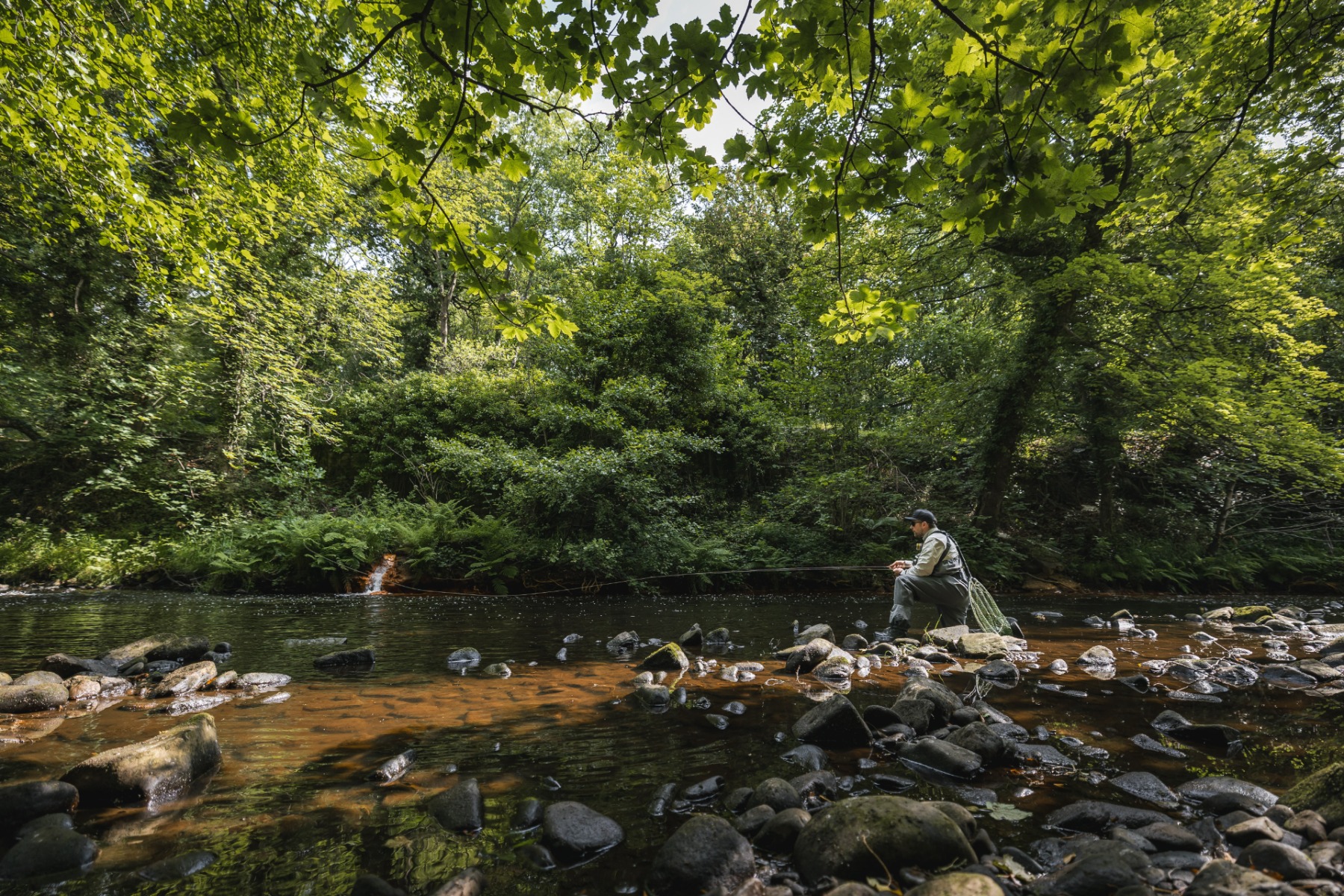
Look for riffles, pocket water, undercut banks, overhanging vegetation and other shaded areas where trout can access cooler, oxygen-rich water.
Final Thoughts
Summer remains one of the most rewarding times to be on the river. While changing conditions mean we need to adapt our tactics, trout are still highly catchable if we pay attention to water temperature, fish location and presentation.
Stay observant, fish thoughtfully and, above all, put fish welfare first when temperatures begin to climb.
I hope you find these tips useful and that they help you enjoy some successful summer fishing over the coming months.
Tight lines,
James
References
- Boyd JW, Guy CS, Horton TB, Leathe SA. 2010. North American Journal of Fisheries Management 30:898–907. DOI: 10.1577/M09-107.1.
- Twardek WM et al. 2024. Fisheries Research 274:106993.
- Pope KL, Wilde GR, Knabe DW. 2007. Fisheries Management and Ecology.
- Meka JM, McCormick SD. 2005. Transactions of the American Fisheries Society.
About the Author
James Atkinson is one of our team of Snowbee ambassadors. He is a current England World Fly Fishing Team member (4x Caps), 2019 National Rivers Champion, England Elite Performance Program Champion 2021, 2nd place in 2022 and 2023, and 3rd place in 2024, with a further seven Senior and Youth international caps to his name.